
DID YOU KNOW: NUTRITION TREND 2026 IS LIVING FLEXITARIAN?
MEKSEA.COM In recent years, eating habits around the world have been changing rapidly. Consumers are becoming more health-conscious, environmentally aware, and selective about where their food comes from. Instead of following strict diets, many people now prefer a more balanced and flexible lifestyle. One of the biggest food trends leading this shift is flexitarianism.
Flexitarian diets are expected to continue growing strongly in 2026 as more consumers reduce meat consumption while still enjoying animal protein in moderation. Rather than completely eliminating meat or seafood, flexitarians focus on eating more plant-based foods while choosing high-quality protein sources more carefully. For the global seafood industry, this trend is creating significant new opportunities.
Quick view
What Does Flexitarian Mean?

What Does Flexitarian Mean?
The word “flexitarian” combines “flexible” and “vegetarian.” Unlike vegetarians or vegans, flexitarians do not completely avoid animal products. Instead, they consciously reduce meat consumption and prioritize a diet rich in vegetables, fruits, legumes, grains, nuts, and healthier protein options.
Many consumers consider this lifestyle more practical because it does not require strict restrictions. People can still enjoy seafood, fish, meat, dairy, or eggs occasionally while maintaining a more balanced diet overall. For modern consumers, flexitarianism is less about following rigid food rules and more about making smarter and more sustainable eating choices.
Why Flexitarianism Is Becoming One of the Biggest Food Trends?
The popularity of flexitarian diets is driven by several global factors.
Health and Wellness Awareness
Consumers today pay closer attention to nutrition and long-term health. Many studies associate excessive red meat consumption with health concerns such as obesity, cardiovascular disease, and diabetes. As a result, people are looking for lighter and healthier protein alternatives.
Plant-based foods naturally provide fiber, vitamins, antioxidants, and important nutrients that support overall wellness. At the same time, seafood offers high-quality protein while being naturally rich in omega-3 fatty acids, vitamins, and minerals. This combination makes flexitarian diets attractive for consumers seeking balance rather than extreme dietary changes.
:quality(75)/flexitarian_la_gi_2_fbca7da395.png)
Why Flexitarianism Is Becoming One of the Biggest Food Trends?
Sustainability and Environmental Concerns
Environmental awareness is another major reason why flexitarian eating continues to rise globally. Consumers increasingly understand the environmental impact of large-scale meat production, including greenhouse gas emissions, water consumption, and land use. Reducing meat intake is viewed as one practical way individuals can contribute to sustainability efforts.
As a result, many consumers are shifting toward foods perceived as more environmentally responsible, including seafood from sustainable and traceable sources. Today’s buyers no longer focus only on taste and price. They also care about responsible sourcing, transparency, and ethical production practices.
Flexible Lifestyles Fit Modern Consumers
One reason flexitarianism grows faster than stricter diets is flexibility. Unlike vegan or vegetarian lifestyles, flexitarian diets are easier to follow in daily life. Consumers do not feel pressured to completely eliminate their favorite foods. Instead, they simply make more conscious decisions about how often and how much meat they consume.
This flexibility makes the trend accessible to a much wider audience, especially younger consumers and busy urban lifestyles.

Flexible Lifestyles Fit Modern Consumers
Why Seafood Fits Perfectly into Flexitarian Diets?
As consumers reduce red meat consumption, seafood is becoming one of the preferred protein choices within flexitarian lifestyles. Fish and seafood are widely recognized for their nutritional value. Many seafood products contain lean protein, omega-3 fatty acids, selenium, iodine, and essential vitamins that support heart health and overall wellness.
Compared with heavier meat proteins, seafood is often perceived as lighter, fresher, and easier to integrate into balanced meals. Seafood also offers exceptional versatility for modern consumers. From convenient ready-to-cook products to premium restaurant dishes, seafood can easily fit different lifestyles and eating habits. For flexitarian consumers, seafood represents a balance between nutrition, enjoyment, and responsible consumption.
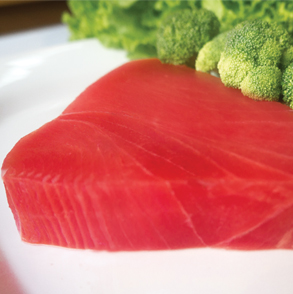 Meksea’s Tuna |
 Meksea’s Pangasius |
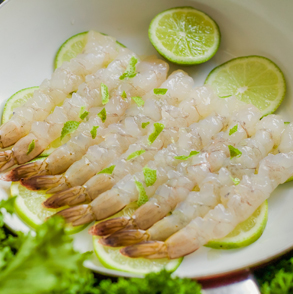 Meksea’s Shrimp |
Consumers Are Paying More Attention to Quality
Modern consumers are not simply eating less meat. They are also becoming more selective about the food they buy. This trend encourages higher demand for:
- Sustainably sourced seafood
- Traceable products
- Premium quality seafood
- Convenient and healthy meal solutions
- Clean-label and minimally processed foods
Consumers increasingly value transparency regarding origin, farming practices, certifications, and environmental responsibility. For seafood suppliers and exporters, this creates opportunities to develop products that align with evolving market expectations.
>>> Maybe you interest: Is tuna good for you? 7 key benefits of tuna for health
Meksea – The Leading Seafood Distributor in Vietnam
As consumers continue shifting toward flexitarian lifestyles, seafood quality is becoming more important than ever. Today’s buyers are not only looking for healthier protein alternatives, but also products that are safe, sustainable, traceable, and consistent in quality. To meet these changing market demands, choosing the right seafood supplier is essential.
Meksea is proud to be one of the leading seafood distributors in Vietnam, supplying a wide range of high-quality seafood products to global markets. With strong sourcing capabilities, strict quality control systems, and reliable supply chains, Meksea is committed to delivering seafood products that meet international standards and customer expectations. From frozen seafood to value-added products, Meksea focuses on quality, food safety, and sustainable partnerships to support importers, distributors, retailers, and foodservice businesses worldwide.
As flexitarian trends continue to grow globally, now is the right time to diversify your seafood portfolio and meet evolving consumer preferences. Import quality seafood from Vietnam with Meksea and stay ahead of the next food trend in your market.
 |
Contributing to the global expansion of Vietnamese seafood exports, Meksea is honored to be a leading seafood distributor in Vietnam. We are committed to overcoming supply chain challenges while ensuring consistent quality at every stage, from sourcing and processing to final delivery. Meksea provides tailored purchasing solutions designed to meet the specific needs of each partner. |
Don’t hesitate to contact us to explore more Vietnam seafood!
Mr. Hoang Duy – Commercial Director
Mobile/WhatsApp/Wechat: + 84 903 872 469
Email: hoang@mekseaconnection.com
Joy Nguyen (Meksea Team)
If you found this topic interesting, please click the Like button below, so we may continue to expand this topic. Leave a comment with your thoughts for the author team to discuss