
Trump’s Hormuz Reopening Announcement Eases Global Shipping Concerns
MEKSEA.COM – Following the announcement of a preliminary peace agreement between the United States and Iran, the expected reopening of the Strait of Hormuz has raised optimism across global shipping markets. While the agreement still awaits formal implementation, easing tensions in one of the world’s busiest maritime corridors could support more stable logistics, lower transportation costs, and stronger sourcing opportunities for seafood importers in the months ahead.
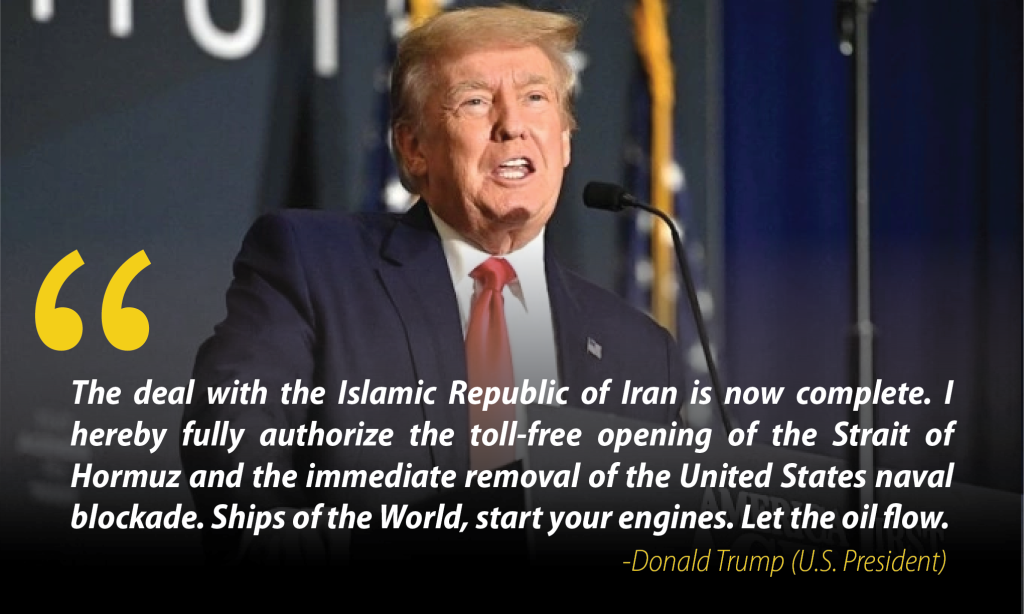
After months of geopolitical tensions in the Middle East, global supply chains may soon see a positive turning point. On June 14, U.S. President Donald Trump announced on Truth Social that a preliminary peace agreement had been reached between the United States and Iran. According to the announcement, the Strait of Hormuz is expected to reopen following the formal signing of the agreement in Switzerland, while restrictions on Iranian ports will also be lifted. Although the agreement still requires formal implementation, financial markets have already reacted positively, with global oil prices declining on expectations of improving energy supplies.
Quick view
Why Is the Strait of Hormuz So Important?
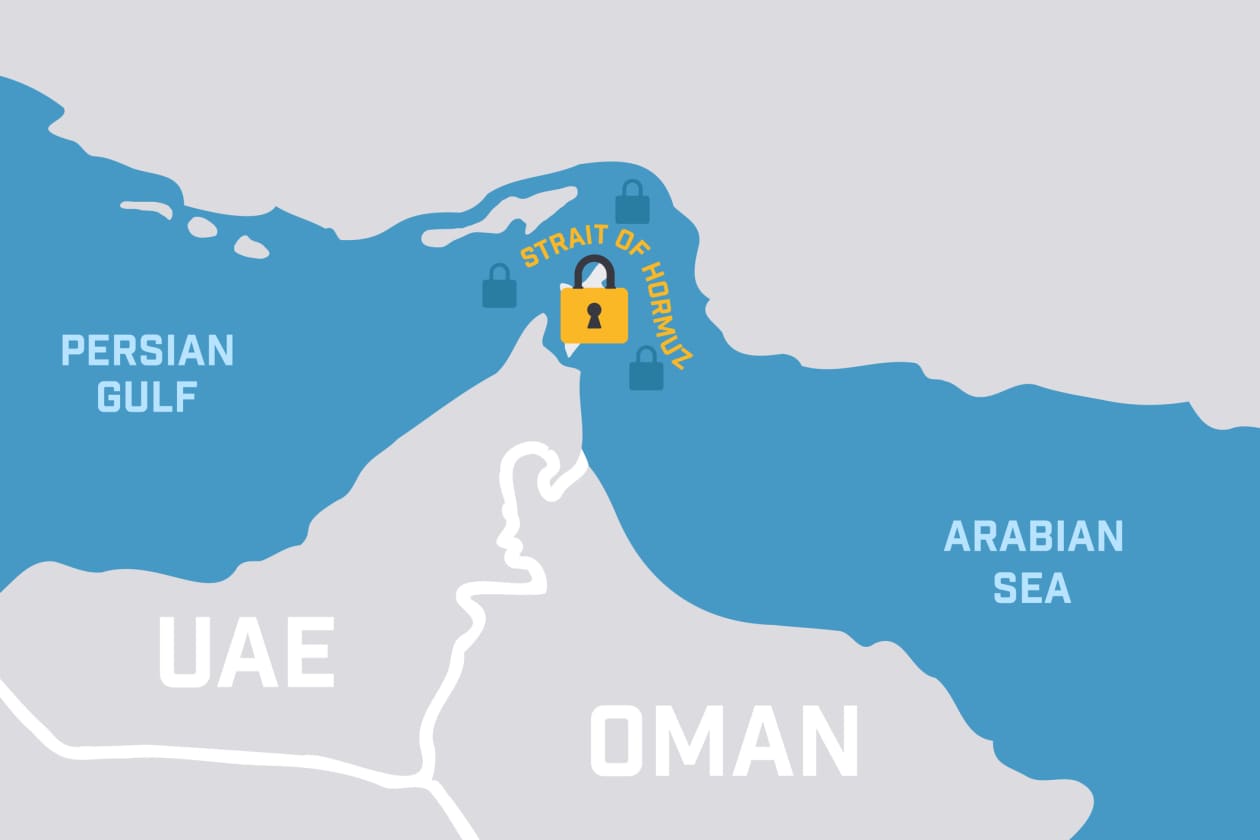
The Strait of Hormuz is one of the world’s most strategically important maritime chokepoints, connecting the Persian Gulf with the Gulf of Oman and the Arabian Sea.Before the disruption, approximately 16–20 million barrels of crude oil and condensate passed through the strait every day, accounting for nearly 20% of global oil consumption and roughly one-quarter of the world’s seaborne oil trade.
It is also the primary export route for major energy-producing countries, including: Saudi Arabia, United Arab Emirates (UAE), Kuwait, Qatar, Iraq, Bahrain, Iran Because modern global shipping relies heavily on stable fuel supplies, any disruption in the Strait of Hormuz quickly affects freight costs, vessel scheduling, insurance premiums, and international trade.
How Does the Reopening Affect the Seafood Industry?
Although seafood cargoes rarely transit the Strait of Hormuz directly, the reopening has several indirect benefits for the global seafood supply chain.
1. Lower Pressure on Ocean Freight Costs
Fuel is one of the largest operating expenses for ocean carriers. As news of the agreement emerged, international oil prices declined sharply, easing concerns over prolonged energy disruptions. While freight rates may not fall immediately, lower fuel prices generally reduce upward pressure on shipping costs over time. For seafood exporters and importers, this could help stabilize transportation expenses during the second half of the year.

2. Improved Shipping Reliability
The Middle East is a critical transit region connecting Asia, Europe, and parts of Africa.
During periods of geopolitical tension, shipping lines often:
- Adjust sailing schedules.
- Reroute vessels.
- Add security surcharges.
- Extend transit times.
As navigation through Hormuz resumes, shipping operations are expected to become more predictable, allowing buyers to better manage inventory planning and delivery schedules.
3. Greater Confidence for International Buyers
Seafood purchasing decisions are closely linked to logistics stability. When freight markets experience uncertainty, many importers delay purchasing or reduce inventory levels. A more stable shipping environment encourages buyers to resume procurement plans, particularly ahead of peak consumption seasons in Europe, North America, and Asia.
What Does This Mean for Seafood Importers?

What Does This Mean for Seafood Importers?
The reopening of the Strait of Hormuz is expected to gradually improve the flow of global trade. As one of the world’s most critical shipping corridors resumes normal operations, international logistics are likely to become more stable, reducing disruptions across major shipping routes. For seafood importers, this means a more favorable sourcing environment:
- Improved cargo movement and fewer shipping disruptions.
- Greater schedule reliability for international deliveries.
- Lower pressure on fuel-related transportation costs over time.
- Better inventory planning with more predictable lead times.
- Increased availability of seafood shipments from key exporting countries.
Although freight markets may take time to fully normalize, the reopening creates positive momentum for global supply chains and helps restore confidence among buyers and suppliers alike. For importers preparing for year-end demand or planning upcoming procurement, this is an opportunity to secure supply early, avoid potential market fluctuations, and build inventory with greater confidence before seasonal demand accelerates.
Meksea – The Leading Seafood Distributor in Vietnam
As global logistics continue to stabilize, choosing the right sourcing partner becomes more important than ever. With an extensive network of certified seafood processors across Vietnam, Meksea provides international buyers with a reliable supply of premium seafood products, flexible shipment solutions, and professional export support tailored to different market requirements.
Whether you are looking for shrimp, tuna, squid, octopus, pangasius, or other Vietnamese seafood products, Meksea is committed to delivering consistent quality, competitive pricing, and dependable service.
As international demand for Vietnamese oysters continues to recover, choosing a reliable seafood partner becomes increasingly important.Meksea is proud to be one of Vietnam’s leading seafood distributors, connecting global buyers with premium seafood sourced from trusted, certified processing facilities across the country. With extensive experience in international seafood trading, Meksea provides consistent quality, transparent sourcing, competitive pricing, and flexible logistics solutions tailored to diverse market requirements.
 |
Contributing to the global expansion of Vietnamese seafood exports, Meksea is honored to be a leading seafood distributor in Vietnam. We are committed to overcoming supply chain challenges while ensuring consistent quality at every stage, from sourcing and processing to final delivery. Meksea provides tailored purchasing solutions designed to meet the specific needs of each partner. |
Don’t hesitate to contact us to explore more Vietnam seafood!
Mr. Hoang Duy – Commercial Director
Mobile/WhatsApp/Wechat: + 84 903 872 469
Email: hoang@mekseaconnection.com
Joy Nguyen (Meksea Team)
Source: Reuters
If you found this topic interesting, please click the Like button below, so we may continue to expand this topic. Leave a comment with your thoughts for the author team to discuss