Regulation (Eu) 2026/1304: What European Seafood Importers Should Check Now To Avoid Border Delays
As European seafood importers prepare for Quarter 4 procurement and 2027 supply contracts, navigating the European Union’s evolving sanitary and official control framework remains paramount to protecting profit margins. One missing site can hold up a whole container, even when the product is safe.
3 Key Points For EU Importers
a. More products are now under control
Fish sauce, shrimp paste and fermented seafood seasonings now fall under the entry rules.
What it means for you: These products must come from approved countries and approved sites, with an official health certificate.
b. Every site in the chain must be approved
Seafood can enter the EU only if every site that handles it is on the EU approved list:
- Processing plants
- Factory and freezer vessels
- Cold stores
- Reefer vessels
What it means for you: One unlisted cold store can mean a held, rejected or returned shipment of shrimp, pangasius, tuna, squid or octopus.
c. Different rules for bivalve molluscs
Wild-harvested bivalves are exempt from the extra residue control plan. Bivalves from land-based farms still need a full, audited plan.
How Meksea Helps
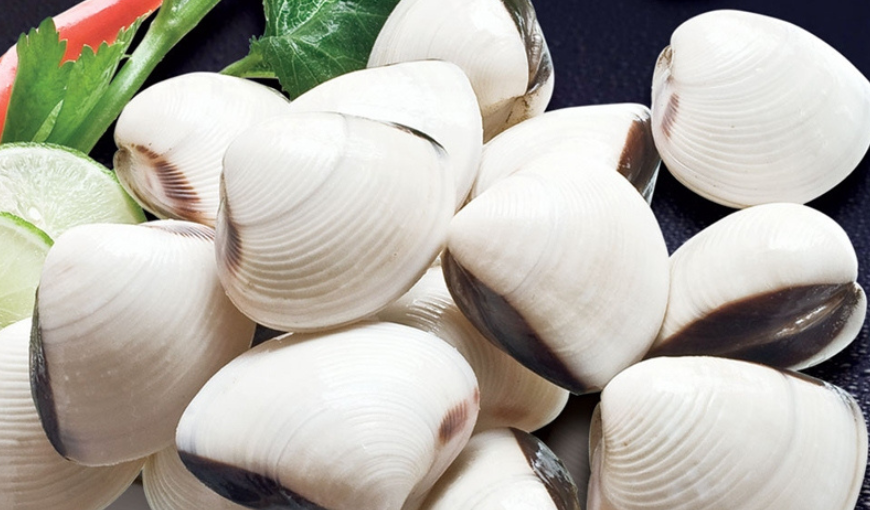
Since 2010, Meksea has connected EU and global buyers with Vietnamese seafood. We work with a network of sustainable quality partner factories, and we focus on making sure each shipment is ready for EU customs:
- Site checks before every order: We regularly verify that our processing plants, dedicated cold storage facilities, and logistics partners hold active EU Approval Numbers registered in the EU TRACES database.
- Complete document set: Health certificate, test reports and other papers, ready for your customs agent.
- A QC team you can talk to:We catch problems before the container ships.
- Wide range: Shrimp, pangasius, tuna, cephalopods, shellfish and value-added products >> You can mix several products in one container instead of filling a container with a single item.
High-Growth Seafood Categories in the EU
While overall EU seafood demand reflects cautious household spending, specific Vietnamese seafood categories are demonstrating strong positive growth and offering valuable sourcing advantages for European buyers:
-
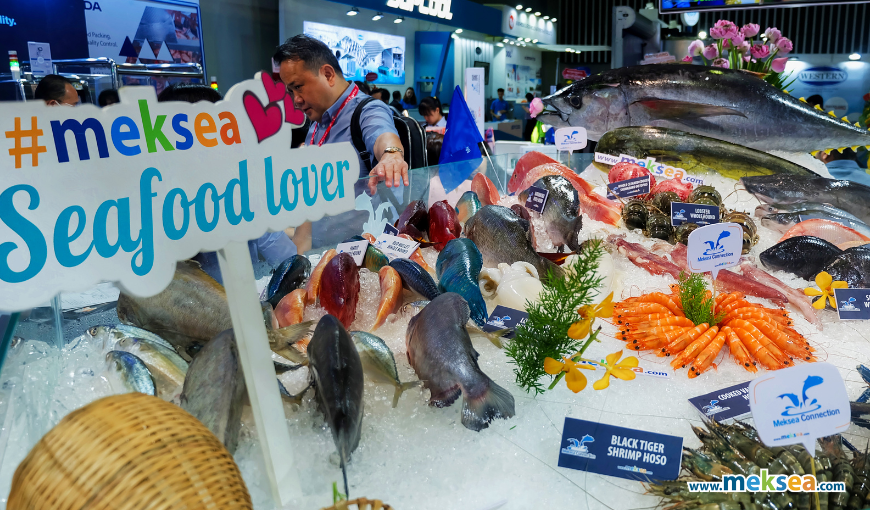
- Pangasius Fillets (White Fish Replacement): Exports to the EU reached $137.1 million (up 10.0% year-over-year) With wild-caught white fish supplies tightening globally, Pangasius provides European buyers with a cost-effective, highly stable alternative.
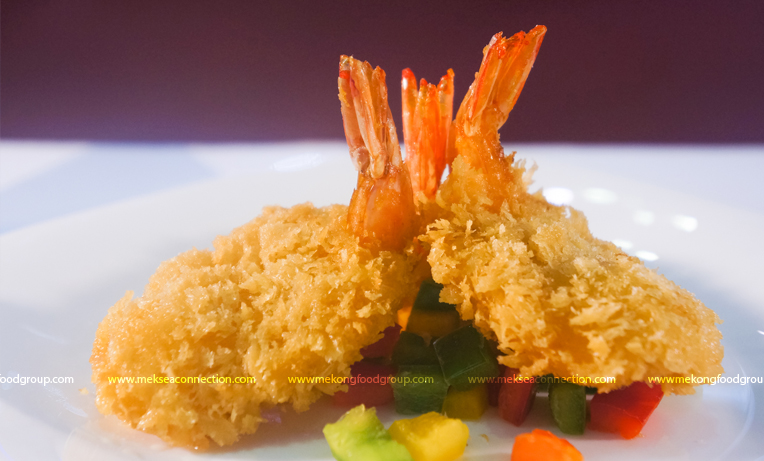
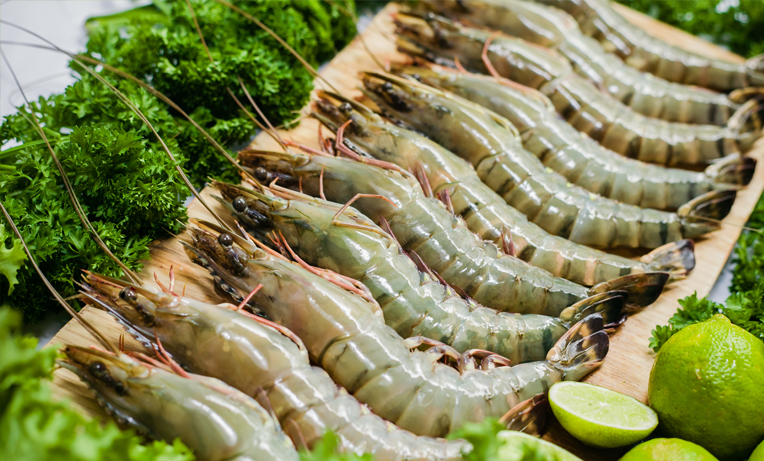
- Value-Added & Ready-to-Cook (RTC) Shrimp: While raw frozen shrimp imports slowed, EU imports of value-added and processed shrimp grew by 6%, driven by rising consumer demand for portioned, prepacked, and easy-to-prepare seafood. Notably, Black Tiger shrimp exports to the EU also recorded a 43.5% surge in Q1.
- Regional Market Growth: Importers targeting Eastern Europe saw a 35% increase in shrimp import volume, highlighting strong regional market demand
Planning Your Year-end and 2027 Contracts With Meksea
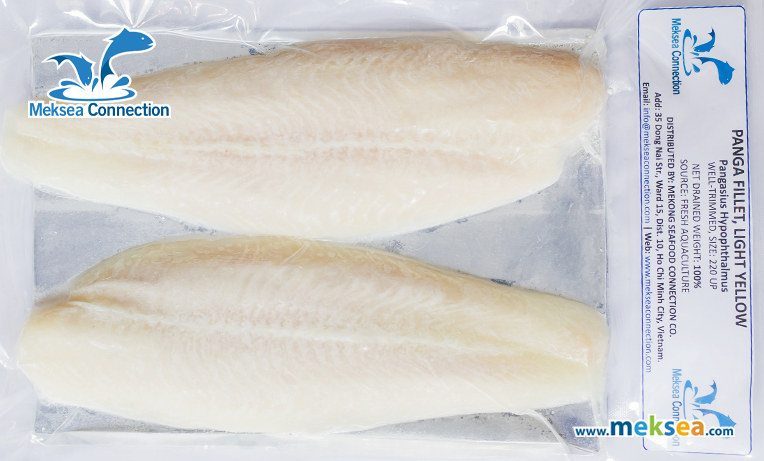
Tell us what you buy and in what volume. We will come back with several quality products that meet EU standards.
Don’t hesitate too long because Holiday demand is picking up, and our production and shipping schedules are getting busy.
Contact us:
Mr. Hoang Duy (Commercial Director), WhatsApp: +84 903 872 469
Email: hoang@mekongseafoodconnection.com