
DID YOU KNOW: WHY SHOULD EAT SEAFOOD IN WINTER?
MEKSEA.COM – WHY SHOULD EAT SEAFOOD IN WINTER? Cold weather often changes the way people eat. Comfort foods, red meat, and hot dishes tend to dominate winter meals, while seafood is sometimes overlooked. Yet, from a nutritional and health perspective, seafood remains one of the most beneficial foods to consume during the winter months. Rather than being seasonal, seafood offers year-round advantages that become even more relevant when temperatures drop.
Quick view
WHY SHOULD EAT SEAFOOD IN WINTER?
Meeting the body’s needs in cold weather
Winter does not reduce the body’s demand for nutrients. Even though physical activity may decrease, essential functions such as immune defense, muscle maintenance, and energy production continue at the same pace. Seafood is high in many other vitamins and minerals that are key in fighting off winter colds. Shellfish such as clams and oysters are a particularly good source of iron, zinc, magnesium, copper, iodine, and other trace minerals, all of which help boost overall health and immunity.
>> See more the Meksea’s Bivavles products
Brown Clam
White Clam
Scallop
Scallop meat
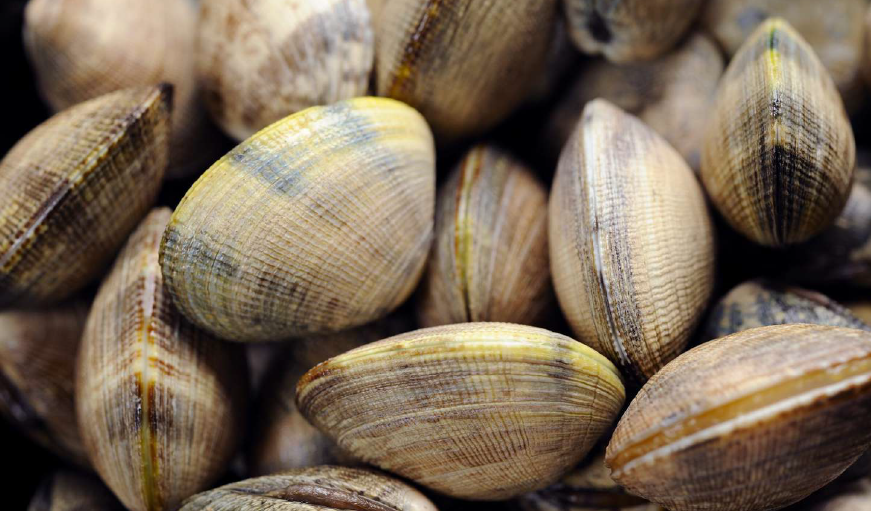

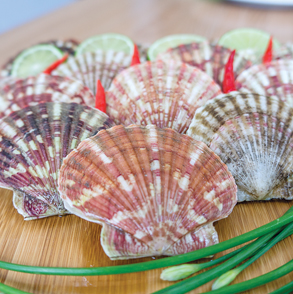
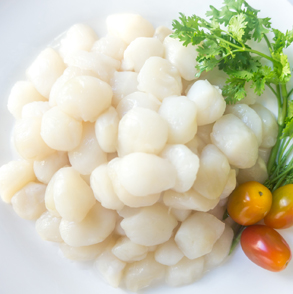
According to recommendations from the World Health Organization (WHO), fish and seafood should be consumed regularly throughout the year as part of a balanced diet. High-quality protein, omega-3 fatty acids, and micronutrients found in seafood are not optional—they are fundamental to daily health, regardless of season.
Because seafood protein is generally lighter and easier to digest than many land-based meats, it can be especially suitable in winter, when heavy meals may cause discomfort or fatigue.
Strengthening immunity during flu Season
Winter brings an increased risk of respiratory infections, making nutrition a key factor in immune resilience. Seafood contains several nutrients that directly support the immune system.
Fish and shellfish are natural sources of vitamin B12, which contributes to blood cell formation and supports normal neurological function. Adequate B12 intake is also linked to sustained energy levels, helping the body cope with shorter days and colder temperatures.
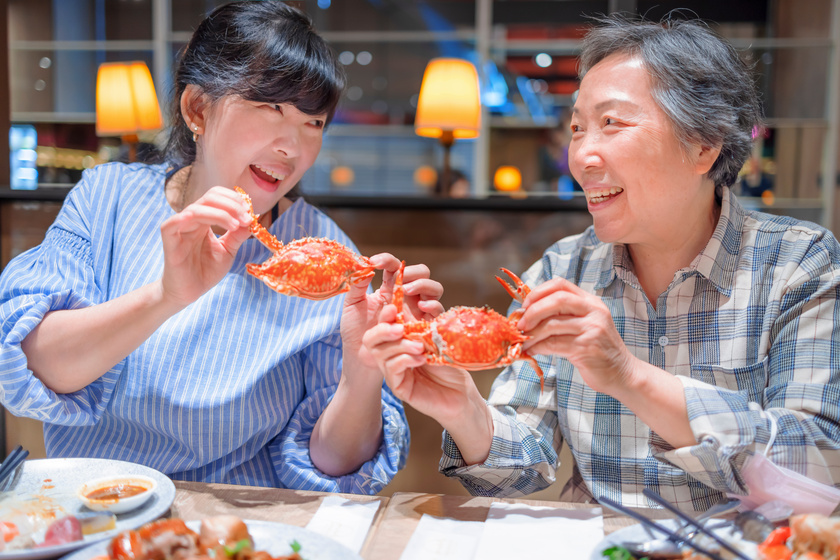
Strengthening immunity during flu Season
Seafood also delivers important immune-supporting micronutrients, including zinc, iron, vitamin B6, and vitamin A. These nutrients help regulate immune responses, support oxygen transport, and maintain healthy tissues that protect against external pathogens.
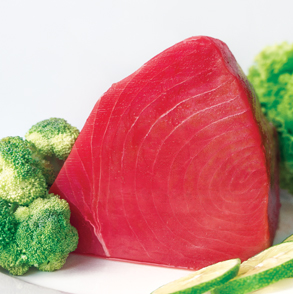
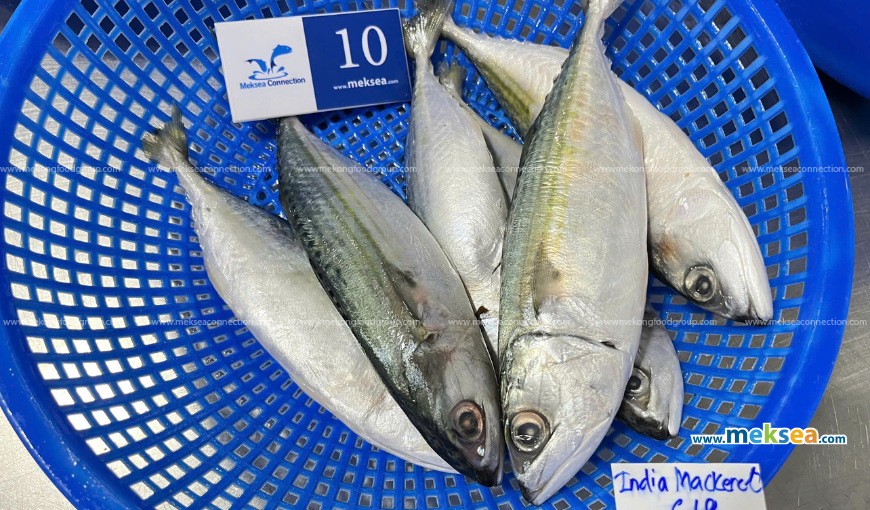
In addition, oily fish such as salmon, sardines, and mackerel provide vitamin D. Winter inevitably means being out in the sunshine much less, which means that you may end up deficient in one of the most important vitamins D. That plays a role in immune regulation and overall health maintenance. Some of the best species to eat more of in winter are Salmon, Mackerel, Tuna, and Sardines.
>>> See more the Meksea’s Fish
Tuna
Mackerel
Pangasius
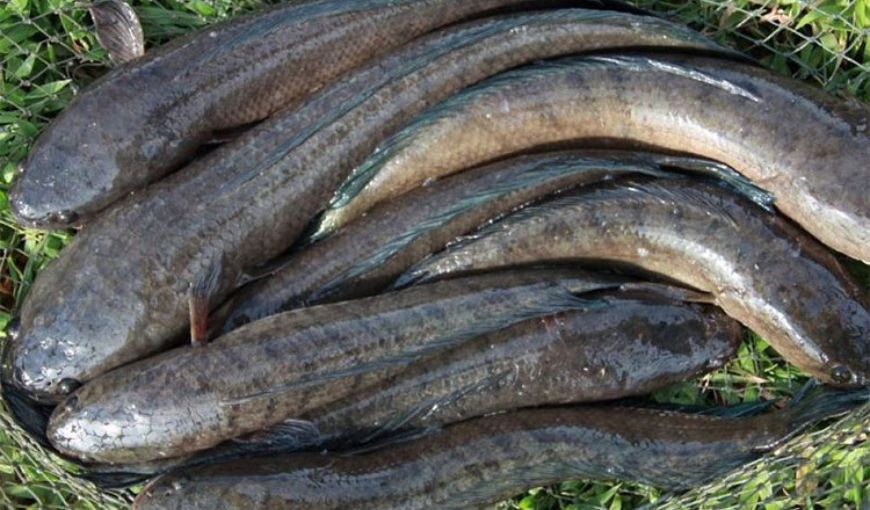
Snakeheadfish

A smart protein choice for Winter
Seafood is not limited to warm weather or summer menus. Its nutritional profile, digestibility, and health benefits make it a smart protein choice during winter, when the body needs consistent nourishment and immune support. By including seafood regularly in cold-season meals, consumers can maintain balanced nutrition, support immune health, and enjoy a lighter yet nutrient-rich alternative to traditional winter foods.
III. Meksea – The Leading Seafood Distributor in Vietnam
|
|
Meksea – The Leading Seafood Distributor in Vietnam – has supplied pangasius to many countries around the world. This fish is known for its affordability, consistent supply, and versatility in cooking, allowing consumers to prepare a wide variety of dishes. These advantages make pangasius an attractive choice for families, retailers, and food-service providers globally. At Meksea, we offer a diverse range of pangasius products tailored to meet your customers’ taste preferences. |

Don’t hesitate to contact us to explore more Vietnam seafood products!
Mr. Hoang Duy – Commercial Director
Mobile/WhatsApp/Wechat: + 84 903 872 469
Email: hoang@mekseaconnection.com
Joy Nguyen (Meksea Team)
If you found this topic interesting, please click the Like button below, so we may continue to expand this topic. Leave a comment with your thoughts for the author team to discuss