
From River to Table: What factors help this Vietnam fish support local livelihoods?
MEKSEA.COM – From the nutrient-rich waters of Vietnam’s Mekong Delta comes pangasius – a versatile, protein-packed Vietnam fish that not only delights global consumers but also sustains the livelihoods of hundreds of thousands of local farmers and workers. With sustainable farming practices and rising exports to over 150 countries, Vietnam’s pangasius has become a symbol of quality, nutrition, and economic growth
Quick view
About Vietnam fish – Pangasius
What is the pangasius
Pangasius is a freshwater fish belonging to the catfish family (Pangasiidae), mainly farmed in the Mekong River Delta of Vietnam, where the tropical climate and nutrient-rich waters create ideal conditions for its growth. The species is native to this region and highly adaptable to different water environments, making it one of the most successful aquaculture products in Vietnam.
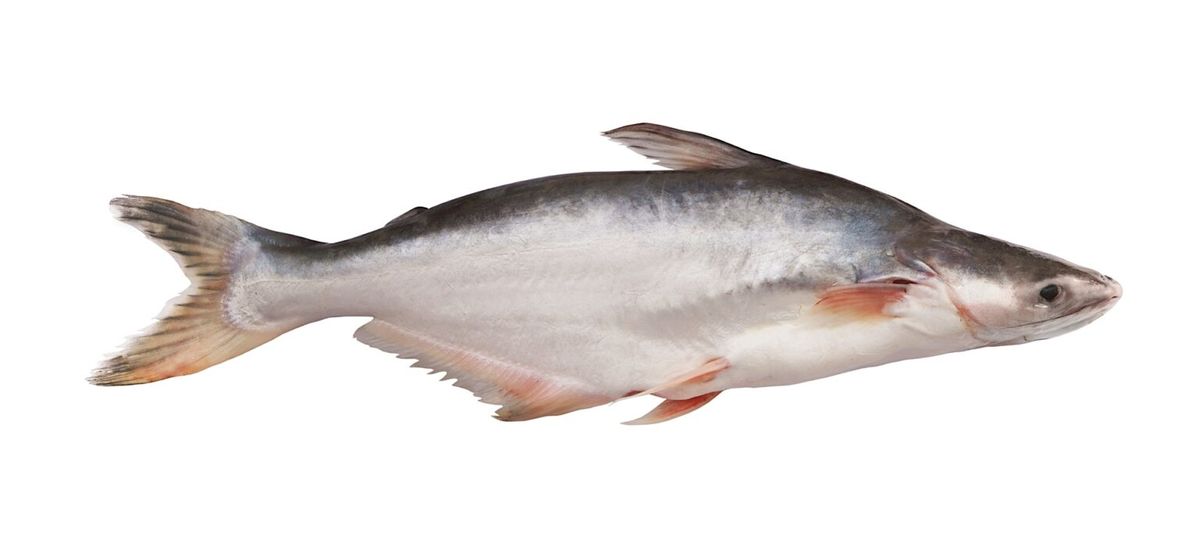 |
The fish has a long, smooth body with no scales and a silver-white belly. Its flesh is white, tender, and boneless, offering a mild, neutral flavor that easily absorbs seasonings and sauces. Pangasius is rich in protein, low in fat, and contains beneficial omega-3 fatty acids, making it a healthy and versatile option for consumers around the world. |
The fish has a long, smooth body with no scales and a silver-white belly. Its flesh is white, tender, and boneless, offering a mild, neutral flavor that easily absorbs seasonings and sauces. Pangasius is rich in protein, low in fat, and contains beneficial omega-3 fatty acids, making it a healthy and versatile option for consumers around the world.
Why the pangasius fish is becoming well-known to global?
According to Health A 4 oz (112 g) fillet of pangasius provides about 19 g of protein and only 0.5 g of fat, making it a light, low-calorie option for healthy diets. Additionally, pangasius is rich in essential minerals such as selenium, phosphorus, zinc, and B-vitamins (like B12 and niacin), which support energy production, immune function, and cell growth. It contains 0 g carbohydrates and only ~79 calories per serving, fitting well into low-carb or weight-management meal plans.
Because of its impressive nutrition and mild taste, pangasius has become a favorite choice in international markets. This rising popularity is also reflected in the growth of Vietnam’s pangasius exports, as discussed in the next section.
What Does Vietnam’s Pangasius Bring to Export?
According to Vietnam Association of Seafood Exporters and Producers (VASEP), in the first nine months of 2025, Vietnam’s pangasius exports reached nearly USD 1.6 billion, up 9% year-on-year – a clear sign of recovery after a long period of decline. The data also shows a shift in export patterns: traditional markets are stabilizing, while new and high-demand markets are becoming key growth drivers.
Within the CPTPP bloc (including Japan, Canada, Mexico, and Chile), pangasius exports increased by 35%, reaching USD 271.4 million and accounting for about 17% of total export value, compared to roughly 14% in 2024. In South America, Brazil stands out with imports up 45% to USD 128 million, representing 8% of total export value. Meanwhile, Thailand recorded a 27% rise (USD 58.3 million), supported by higher domestic consumption and re-export activities in ASEAN.
Behind this export success lies the strong production base in the Mekong River Delta, which has long been the heart of Vietnam’s pangasius farming industry.
Where grow most the pangasius in Vietnam?
 |
The key pangasius farming provinces in Vietnam include Đồng Tháp, An Giang, Cần Thơ, Vĩnh Long, and Tiền Giang. Among them, Đồng Tháp and An Giang are the largest production centers, supplying fish to major processing factories and export companies. Pangasius farming is mainly concentrated in the Mekong River Delta, where An Giang, Cần Thơ, and Đồng Tháp together account for more than 75% of the nation’s total pangasius production, both in terms of farming area and output. |
The Mekong River plays a vital role in this ecosystem. Its slow-moving, nutrient-rich waters and stable flow create a healthy environment for pangasius growth, while the tropical climate – with an average temperature of 26 – 30°C, supports year-round aquaculture. The combination of favorable natural conditions and the deep farming experience of local communities has turned the Mekong Delta into the global hub of pangasius production.
Today, pangasius from this region is exported to over 150 countries, contributing significantly to Vietnam’s seafood export value and providing livelihoods for hundreds of thousands of local farmers and workers.
From River to Table: How Vietnam’s Pangasius Supports Local Livelihoods
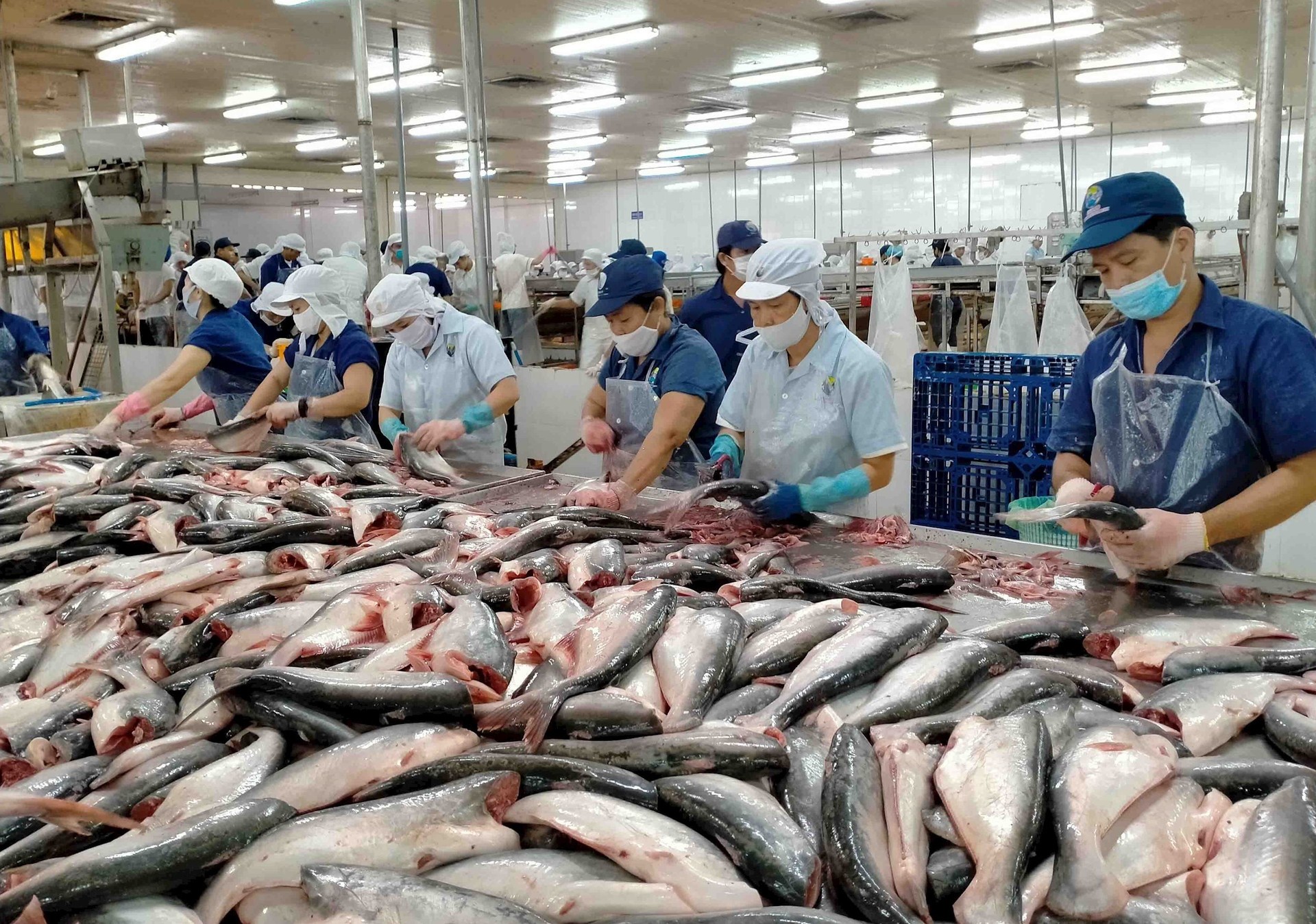
Behind every pangasius fillet exported from Vietnam is a network of hardworking people whose livelihoods depend on the river. According to Vietnam.vn, after nearly 30 years of development, the pangasius industry has become a symbol of the fisheries sector in the lower Mekong River. The entire region currently raises pangasius on about 5,700 hectares of water surface, with an output of 1.4 million tons/year, an export turnover of more than 2 billion USD, creating stable jobs for more than half a million workers.
For many families, pangasius farming has provided a stable income and improved living standards, especially compared to traditional rice cultivation. The expansion of certified and sustainable farming models, such as ASC (Aquaculture Stewardship Council) and GlobalG.A.P. – has also encouraged farmers to adopt better environmental and social practices, ensuring long-term benefits for both people and nature.
Moreover, the pangasius value chain extends far beyond the ponds. Local feed producers, ice suppliers, transporters, and packaging companies all benefit from the industry’s growth, creating a strong multiplier effect in the region’s economy.
Thanks to this interconnected network, Vietnam’s pangasius truly goes “from river to table” – not only delivering healthy, high-quality food to global consumers but also sustaining the livelihoods of thousands of Vietnamese families who rely on this remarkable fish.
Meksea – The leading seafood distributor in Vietnam
 Pangasius Steak |
 Breaded pangasius fillet |
 Frozen Pangasius fillet |
 Pangasius fillet |
Mekong Seafood Connection (MEKSEA) was established in 2010 with the vision of elevating Vietnamese seafood – One of the world’s richest sources to global recognition for its variety and quality among consumers. We believe that to successfully showcase Vietnamese seafood on the world stage, it is essential to harness the strengths of capable producers who meet international standards.
Alongside this, we are committed to rigorous quality control and sustainable practices. Moreover, we continuously strive to enhance our services, ensuring that customers can have complete peace of mind and trust in every order they place with us. At Meksea, quality is always our top priority. We bring premium seafood from Vietnam to the global market from Pangasius, tuna, and shrimp to various value-added products. Every container shipped to your market is strictly controlled to ensure the highest standards.
Don’t hesitate to contact us to explore more seafood from Vietnam!
Mr. Hoang Duy – Commercial Director
Mobile/WhatsApp/Wechat: + 84 903 872 469
Email: hoang@mekseaconnection.com
Joy Nguyen (Meksea Team)
If you found this topic interesting, please click the Like button below, so we may continue to expand this topic. Leave a comment with your thoughts for the author team to discuss